The Home Design Trends Worth Trying in 2026, and the Ones That Won't Last
Trend lists are long every year. Only a handful of these are actually about how a home works, not just how it photographs.

Bod Opanuga
Design Director at Zattu
This year's interior trend lists read like a scrapbook: hand-painted walls, oversized furniture, plate displays, indoor smart gardens. Some of it is a genuine shift in how people want their homes to feel. Some of it is a photo trend that will look dated by next year. The difference usually comes down to one question: does it make the room work better for the people living in it, or does it just work better on a screen.
Warm is replacing neutral, and it's not the beige of ten years ago.
The all-white, all-grey minimalism that dominated the last decade is giving way to warmer, richer tones: chocolate, caramel, terracotta, deep burgundy. It's a genuinely useful shift for a lot of homes, because those cooler neutrals can read as sterile in real life even when they photograph cleanly, especially in rooms that don't get much natural light.
The trick is committing properly rather than adding one caramel throw pillow to a grey room and calling it done. A warm palette works best when it shows up in more than one place: the walls, a rug, upholstery, so the room feels considered rather than like a single trendy accent dropped into an otherwise unchanged space.
Curves are back, and it's more than an aesthetic choice.
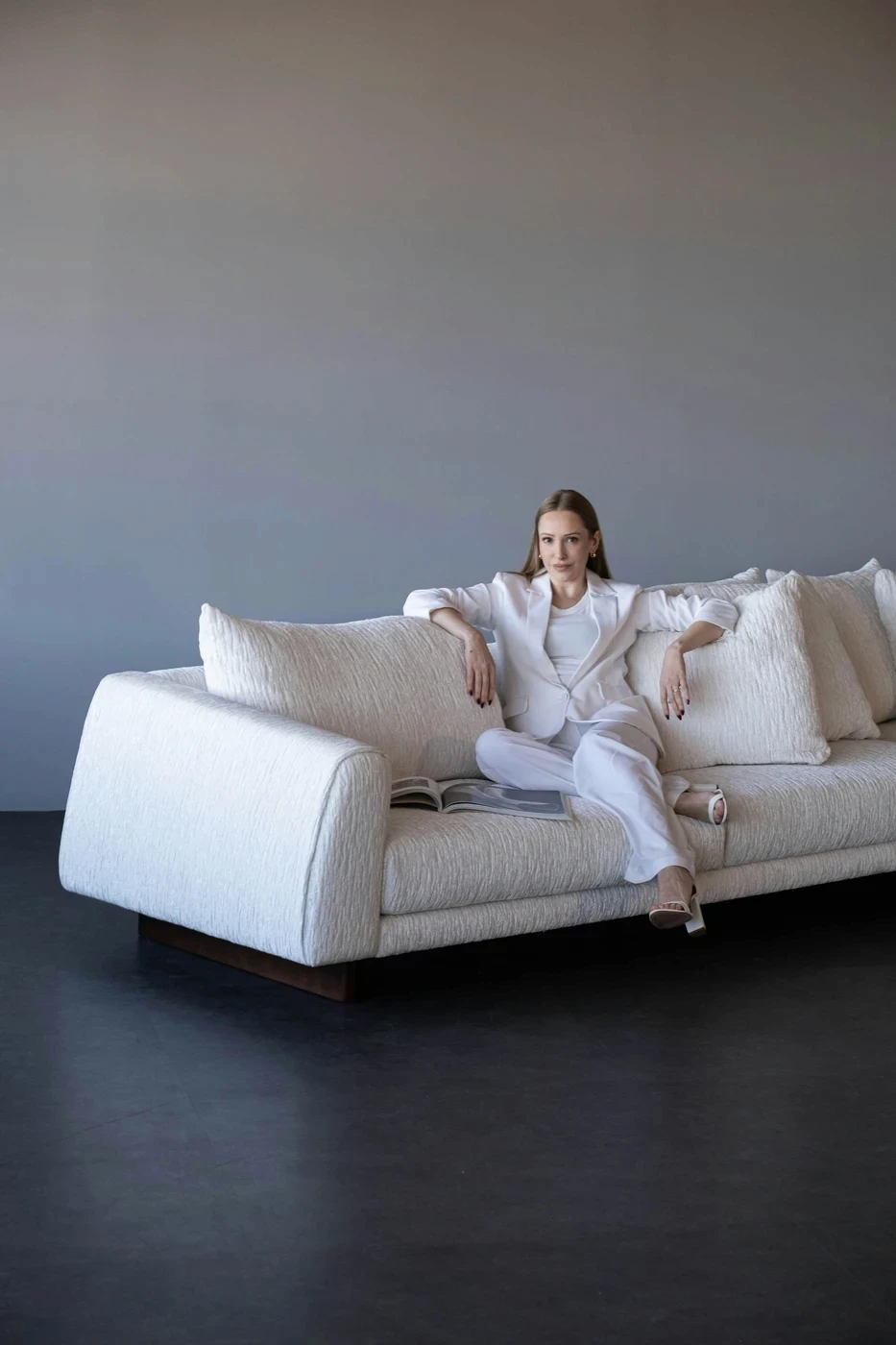
Rounded furniture, softer silhouettes, and flowing lines are replacing the sharp angles that defined a lot of recent interior design. Beyond how it looks, curved furniture genuinely changes how a room functions day to day: fewer hard corners to navigate around, especially in smaller spaces or homes with kids, and a layout that tends to feel more open because rounded pieces don't create the same visual blockages angular furniture does.
This doesn't mean replacing every piece of furniture you own. A single curved anchor piece, a rounded sofa, an oval dining table, a soft-edged coffee table, does most of the work of shifting a room's feel without a full renovation. Pair it with straighter shelving or lighting so the room doesn't start to feel shapeless.
Texture is doing the work color used to do.
A lot of 2026's most talked-about interiors lean on texture rather than bold color to create interest: hand-finished plaster walls, woven and cork surfaces, visible brushstrokes on painted furniture, nubby textiles. It's a shift toward rooms that feel touched by a person rather than manufactured, which is a large part of why it's resonating after years of flawless, factory-smooth finishes being the default.
This is one of the more affordable trends to try, because it can start small: a textured throw, a raw-finish side table, a hand-thrown ceramic piece instead of a mass-produced one. The goal isn't to fill a room with texture everywhere at once. It's choosing two or three tactile moments that reward a closer look, rather than a room that only reads well from across the doorway.
The 'perfect' room is losing to the personal one.
Trends like book-packed shelving, collected plate displays, and what's being called 'found luxury,' a curated mix of vintage pieces and personal objects rather than a matched showroom set, all point the same direction: homes that look assembled over years instead of purchased in one trip. It's a direct reaction against the identical, algorithm-friendly interiors that flooded social media for the past several years.
You can't fake this trend with a single trip to a home goods store. It comes from actually keeping and displaying things that mean something: books you've read, objects from travel, pieces passed down, rather than buying props to simulate a collected look. If a room's personality has to be explained rather than felt, it's decoration, not the real thing this trend is describing.
Open concept isn't disappearing, but it's getting quieter corners.
After more than a decade of knocking down walls, many homes are reintroducing small, defined spaces within open layouts: a reading nook, a window seat, a slightly separated corner for a desk. It's less a reversal of open-plan living than an acknowledgment that people also need somewhere quieter, especially with more people working from home at least part of the week.
This is worth taking seriously if your home currently has one enormous open space and nothing else, because a single undivided room can start to feel like it has no distinct purpose. A rug, a change in lighting, or a low shelf can define a corner without a single wall, giving a room several moods instead of one.
What's worth spending on now versus what to wait on.
Some of this year's trends are genuinely durable: warmer palettes, curved furniture, and personal, collected spaces are all reactions to real fatigue with the sterile, uniform interiors of the last decade, and they'll likely still feel right in five years. Others, like fully AI-managed lighting scenes or digital art panels that rotate images on a screen, are earlier-stage technology that will probably look dated quickly, the way smart-home gadgets from a few years ago already do.
A reasonable rule: spend on the things that change how a room feels and functions, palette, furniture shape, texture, layout, because those age like real design choices. Treat the gadget-driven trends as optional add-ons you can try cheaply and remove without regret, not as the foundation of a room you're planning to live with for the next decade.