( 00-01 )
ABOUT THE PROJECT
Nothing about Project Victoria looked unfinished. Every wall was painted, every room had the right furniture, and on paper there was nothing left to fix. But in person, something felt off. The sofa faced the television, yet nobody seemed to use it. The dining table sat six but looked like it had never hosted dinner. It was finished enough to photograph, but not comfortable enough to feel like home. That gap became the real brief.
So instead of opening with a mood board, we opened with a set of much duller questions. Where does this family actually eat on a Tuesday, the dining table or the kitchen island. Where does the pile of school bags and shoes land the second everyone walks in the door. Which sofa cushion gets claimed first when three people want to watch the same show. Those answers, not a colour palette, decided where storage went, how the entry was laid out, and which room got the softer, more forgiving furniture. The design followed the family's actual evening, not a stylist's version of one.

( 00-02 )
CHALLENGES
The hardest part was making the home work in two very different modes. On an ordinary Tuesday, it needs to handle homework across the table, muddy shoes by the door, and laundry waiting to be folded. On a Saturday, it needs to hold a room full of guests, coats, drinks, and real activity. Lean too far either way and the house either feels too formal to live in or too casual to host in.
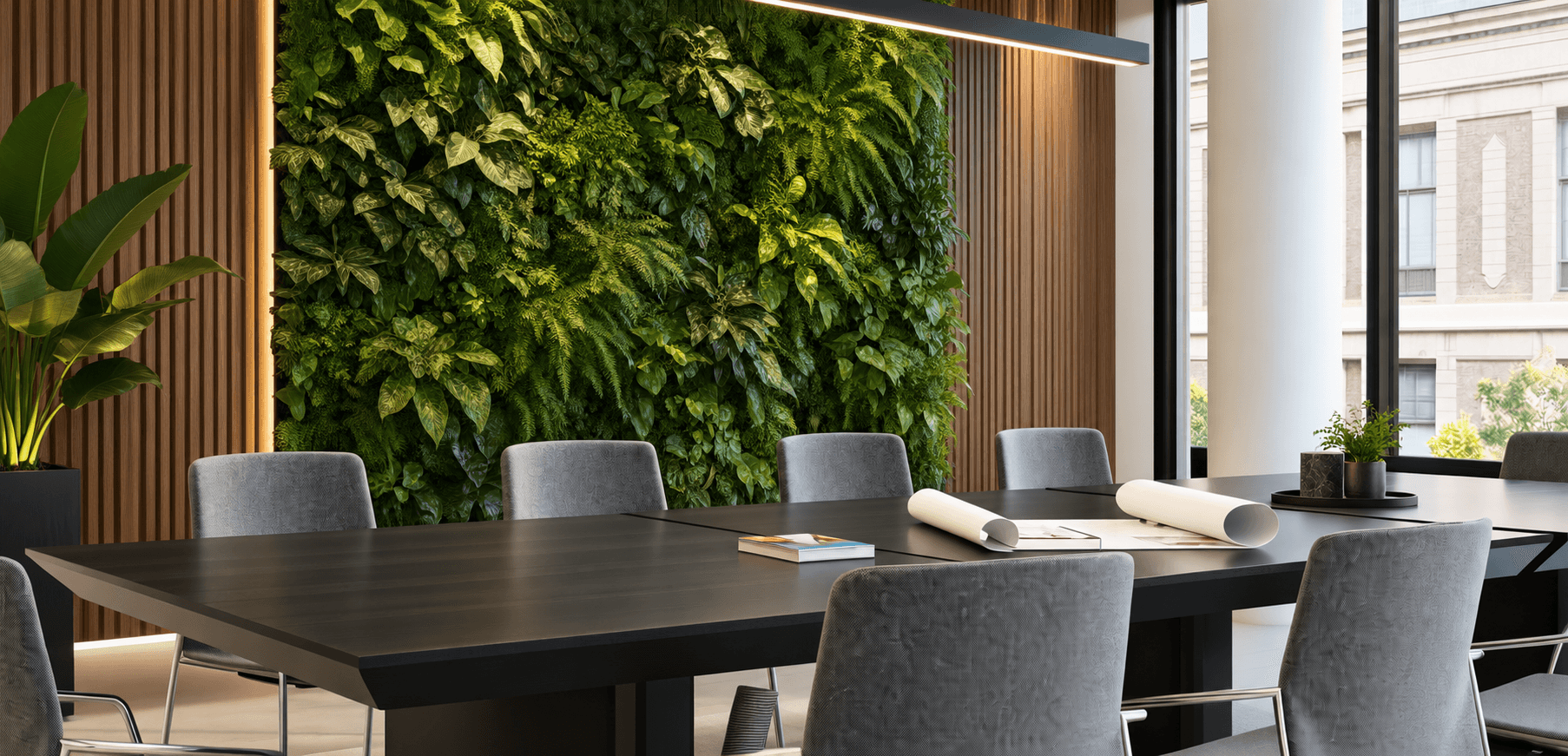
We solved for both at once rather than picking a side. Upholstery came in performance fabrics tough enough for daily use, spills included, but tailored enough that nobody would guess they're practical rather than precious. Lighting was laid out in layers instead of a single overhead fixture, so the same room can sit in a soft, warm wash for a weeknight and shift to something brighter and more flattering the moment guests arrive, without anyone touching a single piece of furniture. Storage was built into places a guest would never think to look, so the everyday clutter has somewhere to disappear to in the ten minutes before people arrive.


( 00-03 )
SUMMARY
Project Victoria stopped looking like a listing the moment it stopped being designed like one. The furniture is the same furniture whether it's a Tuesday or a Saturday, the lighting just knows how to change its mind, and the storage means nobody has to stage the house before guests arrive because it was already ready.
That's the actual difference between a home that photographs well and a home that's lived in: not more furniture or a bolder palette, just a house built around real evenings instead of a listing photo. It's the small, mostly invisible decisions, the fabric that hides a spill, the lamp left on, the drawer nobody sees, that add up to a house that finally feels claimed rather than staged.
( 00-03 )
DISCOVER MORE